Gastrointestinal Cancers
Surgery for cancers of the stomach, oesophagus, pancreas, liver, colon and rectum.
- Stomach & oesophageal cancer
- Colon & rectal cancer
- Liver, pancreas & biliary tumours
A focused surgical oncology practice covering the common and complex adult cancers. Each plan is tailored to your case, discussed with the wider oncology team, and chosen for the best long-term outcome.
Surgery for cancers of the stomach, oesophagus, pancreas, liver, colon and rectum.
Surgery for ovarian, uterine and cervical cancers, including cytoreductive surgery with HIPEC or PIPAC when needed.
Breast-conserving surgery and oncoplastic techniques where suitable, alongside mastectomy when it is the safer choice.
Surgery for oral, thyroid and salivary gland tumours, with care taken to preserve speech, swallowing and appearance.
Surgery for kidney, bladder, penile and testicular cancers, including robotic and laparoscopic options.
Specialised procedures for cancers that have spread to the lining of the abdomen (peritoneum).
The right approach is chosen for the tumour, the anatomy and the recovery ahead — not the other way round.
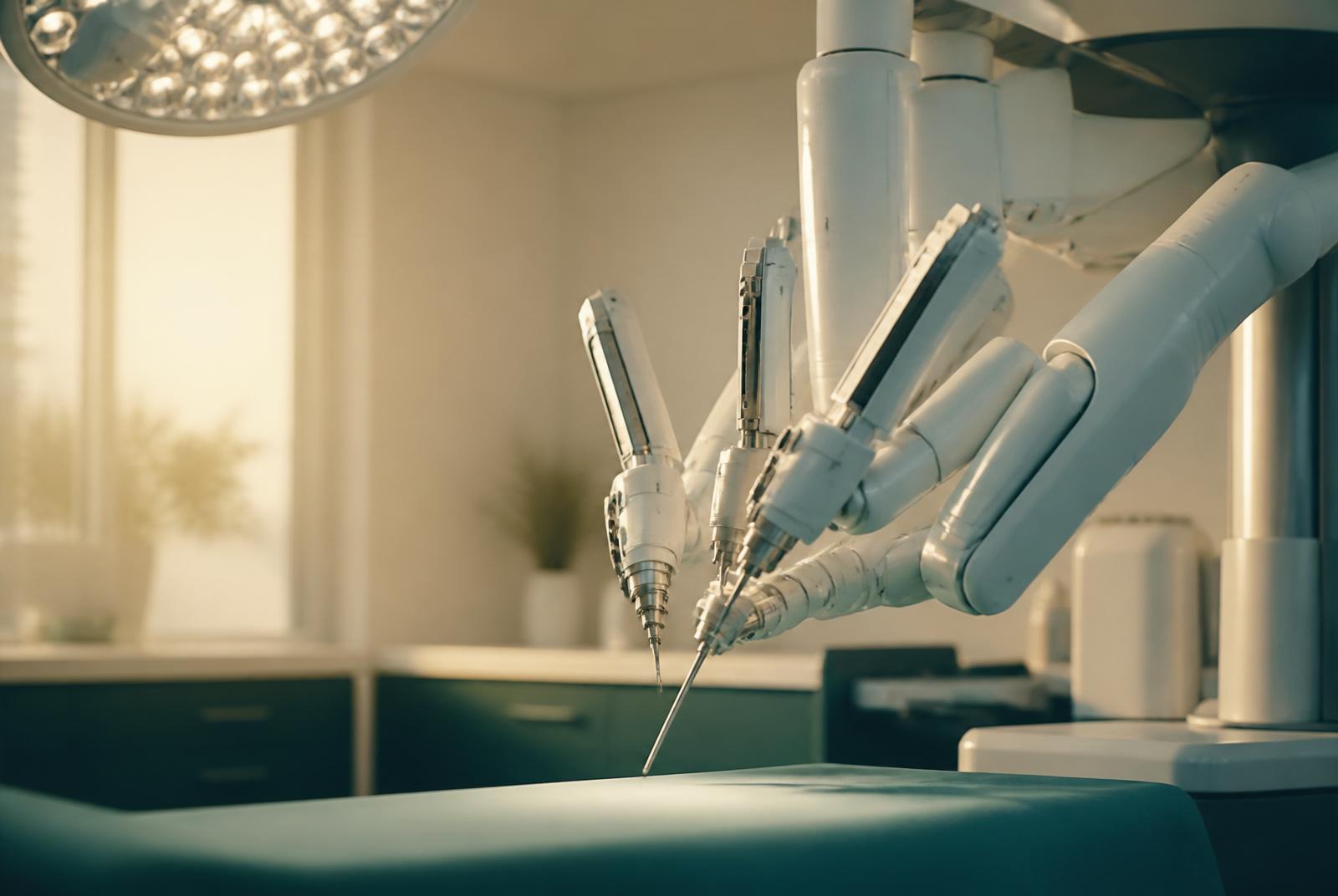
Fine, precise movement inside narrow spaces — helpful for pelvic and chest operations.
Keyhole approach with small cuts, less pain and a shorter hospital stay for suitable tumours.
A larger incision, chosen when it gives the safest access to the tumour and surrounding tissue.